


- Medical directory
- Specialities
- Specialised Units
 Teknon Cardiology Institute
 Obesity Unit
 Teknon Oncology Institute
 Bloodless Medicine and Surgery Unit
 Teknon Institute of Neurosciences
 Traffic Accident Care Unit
 Teknon Pulmonology Unit
 Maritime Medicine Unit
 Institute of Tissue Regenerative Therapy
 Teknon Pain Treatment Unit
 Teknon Tennis Clinic
 Systemic Inflammatory and Autoimmune Diseases Unit
 Assisted Reproduction Unit
 Sleep Unit
 Unidad de Síndromes de Sensibilización Central
- Specialised Units
- Diagnostics
- Diagnostic tests
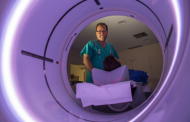 Diagnostic ImagingDiagnostic and interventional scans.
 Anatomical pathology laboratoryAllows to obtain a second opinion from renowned specialists.
 Clinical Analysis LaboratoryComprehensive service in the clinical area.
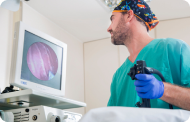 EndoscopyAn accurate diagnosis without conventional surgery.
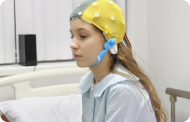 ElectrophysiologyFunctional exploration of the central nervous system.
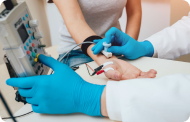 ElectromyographyClinical and neurophysiological evaluation of neuromuscular pathology.
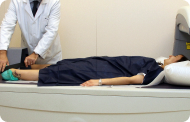 DensitometryDiagnostic technique for checking bone mineral density.
 UrodynamicsDiagnosis of urination disorders and incontinence.
- Medical check-ups

 GeneralThe most intelligent health check-up
 FullA comprehensive examination of your health
 Full PlusOur most exclusive check-up
 TravellersWhen travelling, your health is also part of your luggage
 SportA thorough review to boost your performance
 CardiologyGood news is knowing your heart is under control
 For companiesA tool that enhances employee satisfaction, productivity, and loyalty
- Diagnostic tests
- Our centre
- Teknon Healthcare Service Areas
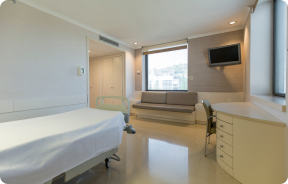 InpatientBright, functional and fully equipped rooms.
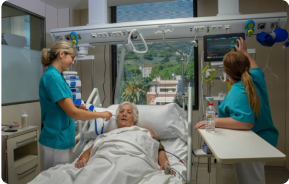 Semi-critical Care UnitEquipped with technology for diagnoses and treatments that require special care.
 Healthy Nutrition ProgrammeWe want to improve people’s health, which is why we promote healthy, conscious and sustainable nutrition at our hospitals.
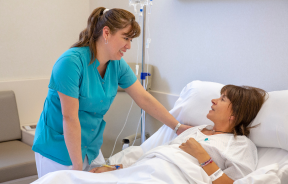 NursingOver 400 professionals.
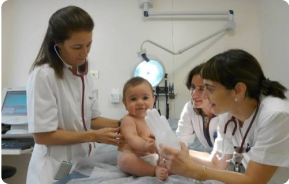 Emergency DepartmentUninterrupted operation, 24/7 at your service.
 Exclusivity / Teknon ClubCommitted to superior and individualised service, we furnish a full range of services in conjunction with our medical and healthcare support.
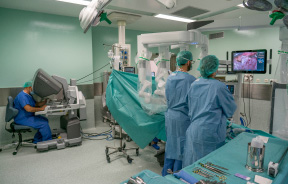 Surgical AreaA total of twenty (20) operating theatres, 12 of which are equipped for high-risk surgery.
 International ProgrammeA programme agent will provide you with comprehensive, personalised support
 Healthcare Ethics CommitteeGuidance for citizens and professionals in cases of moral conflicts.
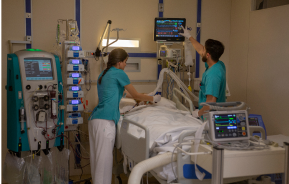 ICU-CCUMultipurpose unit incorporating treatment cubicles equipped with modern monitoring systems.
 Patient servicesAvailable to all our patients and their companions.
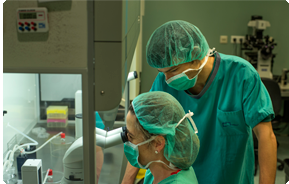 ResearchResearch is one of the cornerstones of Centro Médico Teknon.
 Personalised Follow-up ProgrammeWe accompany you throughout your medical journey. We organise your appointments and tests.
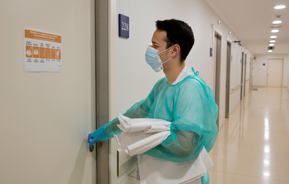 Patient Quality and SafetyOur management models are based on the most stringent national and international standards.
- Teknon Healthcare Service Areas
- News
- News
 NewsKeep abreast of the events at Centro Médico Teknon. Visit our News section.
 AgendaHere we post upcoming events and discussions on relevant health topics. Visit our Agenda section to see what’s up.
 VideosThis section contains an extensive collection of videos related to our specialities.
 PodcastOur specialists discuss current medical topics, innovative treatments, health advice and patient experience.
 Health content
- News
- Blog


- Medical directory
- Specialities
- Specialised Units
- Teknon Cardiology Institute
- Obesity Unit
- Teknon Oncology Institute
- Bloodless Medicine and Surgery Unit
- Teknon Institute of Neurosciences
- Traffic Accident Care Unit
- Teknon Pulmonology Unit
- Maritime Medicine Unit
- Institute of Tissue Regenerative Therapy
- Teknon Pain Treatment Unit
- Teknon Tennis Clinic
- Systemic Inflammatory and Autoimmune Diseases Unit
- Assisted Reproduction Unit
- Sleep Unit
- Unidad de Síndromes de Sensibilización Central
- Specialised Units
- Diagnostics
- Diagnostic tests
- Diagnostic ImagingDiagnostic and interventional scans.
- Anatomical pathology laboratoryAllows to obtain a second opinion from renowned specialists.
- Clinical Analysis LaboratoryComprehensive service in the clinical area.
- EndoscopyAn accurate diagnosis without conventional surgery.
- ElectrophysiologyFunctional exploration of the central nervous system.
- ElectromyographyClinical and neurophysiological evaluation of neuromuscular pathology.
- DensitometryDiagnostic technique for checking bone mineral density.
- UrodynamicsDiagnosis of urination disorders and incontinence.
- Medical check-ups
- GeneralThe most intelligent health check-up
- FullA comprehensive examination of your health
- Full PlusOur most exclusive check-up
- TravellersWhen travelling, your health is also part of your luggage
- SportA thorough review to boost your performance
- CardiologyGood news is knowing your heart is under control
- For companiesA tool that enhances employee satisfaction, productivity, and loyalty
- Diagnostic tests
- Our centre
- Teknon Healthcare Service Areas
- InpatientBright, functional and fully equipped rooms.
- Semi-critical Care UnitEquipped with technology for diagnoses and treatments that require special care.
- Healthy Nutrition ProgrammeWe want to improve people’s health, which is why we promote healthy, conscious and sustainable nutrition at our hospitals.
- NursingOver 400 professionals.
- Emergency DepartmentUninterrupted operation, 24/7 at your service.
- Exclusivity / Teknon ClubCommitted to superior and individualised service, we furnish a full range of services in conjunction with our medical and healthcare support.
- Surgical AreaA total of twenty (20) operating theatres, 12 of which are equipped for high-risk surgery.
- International ProgrammeA programme agent will provide you with comprehensive, personalised support
- Healthcare Ethics CommitteeGuidance for citizens and professionals in cases of moral conflicts.
- ICU-CCUMultipurpose unit incorporating treatment cubicles equipped with modern monitoring systems.
- Patient servicesAvailable to all our patients and their companions.
- ResearchResearch is one of the cornerstones of Centro Médico Teknon.
- Personalised Follow-up ProgrammeWe accompany you throughout your medical journey. We organise your appointments and tests.
- Patient Quality and SafetyOur management models are based on the most stringent national and international standards.
- Teknon Healthcare Service Areas
- News
- News
- NewsKeep abreast of the events at Centro Médico Teknon. Visit our News section.
- AgendaHere we post upcoming events and discussions on relevant health topics. Visit our Agenda section to see what’s up.
- VideosThis section contains an extensive collection of videos related to our specialities.
- PodcastOur specialists discuss current medical topics, innovative treatments, health advice and patient experience.
- Health content
- News
- Blog


- Specialised Units
 Diagnostic tests
- Treatments and Specialities
- Endoscopy
- Intragastric balloon
Intragastric balloon
What is it?
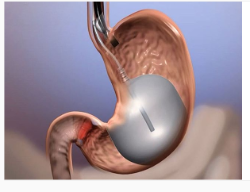
An intragastric balloon is a device designed to facilitate weight loss in patients with obesity. It is a silicone sphere which, once introduced into the stomach under endoscopic control, is filled with 600 cc of water and left to float freely in the gastric cavity. By partially occupying the gastric volume and delaying gastric emptying, the balloon reduces hunger and induces early satiety during meals. These two effects make it easier to follow a suitable diet and adopt the necessary dietary and exercise habits, helping not only to lose weight but also to maintain weight loss in the months that follow.
Which patients are fitted with an intragastric balloon?
Balloon placement is indicated for obese patients aged 18 to 60 with a body mass index of 30 to 40 kg/m² (premorbid obesity), typically corresponding to an excess weight of 15–25 kg. Exceptionally, in cases of morbid obesity, the balloon can be used to reduce surgical risk or if surgery is contraindicated, and in cases of mild overweight until the condition is corrected.
When is a balloon not fitted?
Patients with endocrinological or mental disorders that prevent them from following a diet are excluded from the group of indicated candidates. Also excluded are patients with previous gastric surgery, hiatal hernia, or severe coagulation disorders.
Who should insert the intragastric balloon?
In this case, not only who, but also where, is important. As in obesity surgery, the surgeon must be skilled, and the procedure must take place in a medical centre equipped to handle unforeseen events. The same applies to the intragastric balloon. It is an endoscopic technique and should only be performed by an expert endoscopist in an Endoscopy Unit such as ours, which is open daily from 8 am to 8 pm, with a 24-hour on-call team in order to respond swiftly and effectively to any emergency.
How is the balloon fitted?
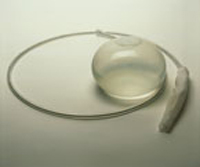
How the balloon is fitted The balloon is fitted on an outpatient basis with mild sedation managed by the anaesthetist and guided endoscopically, inserting both the balloon and the endoscope through the oral cavity without requiring surgery. The procedure lasts no more than 20 minutes, and the patient can go home 30 to 40 minutes afterwards.
With the balloon in place, is weight loss guaranteed?
No. The balloon alone does not produce weight loss: follow-up appointments with the consultant are necessary to guide and monitor the diet, which can be adhered to easily as it does not induce hunger, anxiety, or other adverse effects typically associated with weight-loss diets.
What experience does the Endoscopy Unit at Centro Médico Teknon have?
The Endoscopy and Digestive Functional Tests Unit pioneered the introduction of the intragastric balloon in Spain, and has since performed this technique on numerous patients. We have helped improve placement and removal techniques and also designed a 24-72 hour follow-up protocol, enabling us to be among the medical centres with the lowest balloon rejection rates (2%).
In recognition of this experience, we have taken part in a range of congresses and meetings, including the round table at the 15th National Surgery Congress in November 2004 in Madrid; the 20th Congress of the Spanish Society of Aesthetic Medicine in Barcelona in February 2005; the 8th Congress of the Spanish Society of Obesity Surgery in Vigo in September 2005; and the 1st Course on Plastic and Aesthetic Surgery on Obesity-Post-Bariatric Surgery, held at Centro Médico Teknon in February 2006.
In our initial results presented at the 2002 American Digestive Congress in Chicago (DDW), our patients experienced an average weight loss of 14.5 kg over six months; in the study presented at the 1st Congress of the Spanish Federation of Nutrition, Feeding and Dietetic Societies in 2006, as shown in the presentations section, the average weight loss was 18.5 kg over six months; and in the most recent balloons we have removed, we achieved an average weight loss of approximately 20–22 kg.
How long should the balloon remain in place, and what complications might arise?
The balloon remains in place for 6 months and must then be removed.
Nausea, vomiting, and epigastric discomfort are normal during the first two or three days as the stomach reacts to the presence of the balloon. Typically, no further adverse effects occur after these initial days.