


- Medical directory
- Specialities
- Specialised Units
 Teknon Cardiology Institute
 Obesity Unit
 Teknon Oncology Institute
 Bloodless Medicine and Surgery Unit
 Teknon Institute of Neurosciences
 Traffic Accident Care Unit
 Teknon Pulmonology Unit
 Maritime Medicine Unit
 Institute of Tissue Regenerative Therapy
 Teknon Pain Treatment Unit
 Teknon Tennis Clinic
 Systemic Inflammatory and Autoimmune Diseases Unit
 Assisted Reproduction Unit
 Sleep Unit
 Unidad de Síndromes de Sensibilización Central
- Specialised Units
- Diagnostics
- Diagnostic tests
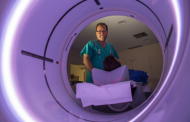 Diagnostic ImagingDiagnostic and interventional scans.
 Anatomical pathology laboratoryAllows to obtain a second opinion from renowned specialists.
 Clinical Analysis LaboratoryComprehensive service in the clinical area.
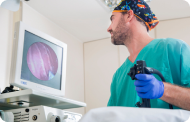 EndoscopyAn accurate diagnosis without conventional surgery.
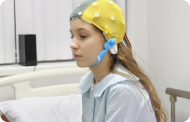 ElectrophysiologyFunctional exploration of the central nervous system.
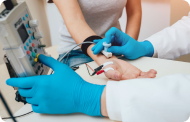 ElectromyographyClinical and neurophysiological evaluation of neuromuscular pathology.
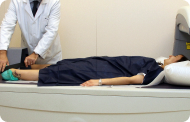 DensitometryDiagnostic technique for checking bone mineral density.
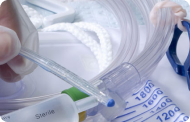 UrodynamicsDiagnosis of urination disorders and incontinence.
- Medical check-ups

 GeneralThe most intelligent health check-up
 FullA comprehensive examination of your health
 Full PlusOur most exclusive check-up
 TravellersWhen travelling, your health is also part of your luggage
 SportA thorough review to boost your performance
 CardiologyGood news is knowing your heart is under control
 For companiesA tool that enhances employee satisfaction, productivity, and loyalty
- Diagnostic tests
- Our centre
- Teknon Healthcare Service Areas
 InpatientBright, functional and fully equipped rooms.
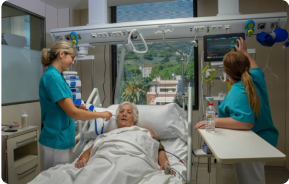 Semi-critical Care UnitEquipped with technology for diagnoses and treatments that require special care.
 Healthy Nutrition ProgrammeWe want to improve people’s health, which is why we promote healthy, conscious and sustainable nutrition at our hospitals.
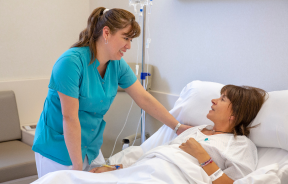 NursingOver 400 professionals.
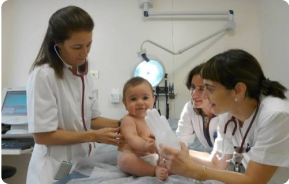 Emergency DepartmentUninterrupted operation, 24/7 at your service.
 Exclusivity / Teknon ClubCommitted to superior and individualised service, we furnish a full range of services in conjunction with our medical and healthcare support.
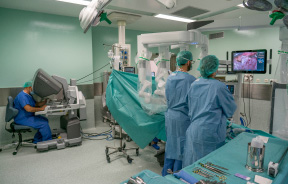 Surgical AreaA total of twenty (20) operating theatres, 12 of which are equipped for high-risk surgery.
 International ProgrammeA programme agent will provide you with comprehensive, personalised support
 Healthcare Ethics CommitteeGuidance for citizens and professionals in cases of moral conflicts.
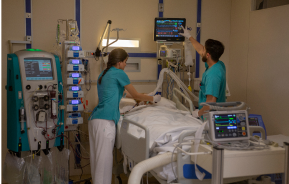 ICU-CCUMultipurpose unit incorporating treatment cubicles equipped with modern monitoring systems.
 Patient servicesAvailable to all our patients and their companions.
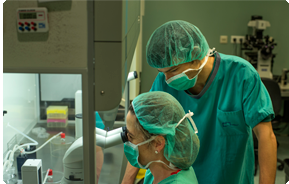 ResearchResearch is one of the cornerstones of Centro Médico Teknon.
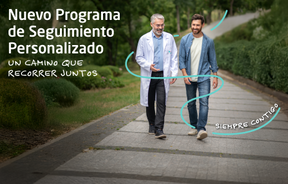 Personalised Follow-up ProgrammeWe accompany you throughout your medical journey. We organise your appointments and tests.
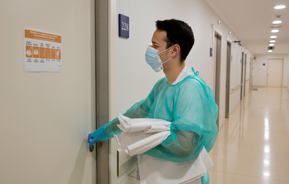 Patient Quality and SafetyOur management models are based on the most stringent national and international standards.
- Teknon Healthcare Service Areas
- News
- News
 NewsKeep abreast of the events at Centro Médico Teknon. Visit our News section.
 AgendaHere we post upcoming events and discussions on relevant health topics. Visit our Agenda section to see what’s up.
 VideosThis section contains an extensive collection of videos related to our specialities.
 PodcastOur specialists discuss current medical topics, innovative treatments, health advice and patient experience.
 Health content
- News
- Blog


- Medical directory
- Specialities
- Specialised Units
- Teknon Cardiology Institute
- Obesity Unit
- Teknon Oncology Institute
- Bloodless Medicine and Surgery Unit
- Teknon Institute of Neurosciences
- Traffic Accident Care Unit
- Teknon Pulmonology Unit
- Maritime Medicine Unit
- Institute of Tissue Regenerative Therapy
- Teknon Pain Treatment Unit
- Teknon Tennis Clinic
- Systemic Inflammatory and Autoimmune Diseases Unit
- Assisted Reproduction Unit
- Sleep Unit
- Unidad de Síndromes de Sensibilización Central
- Specialised Units
- Diagnostics
- Diagnostic tests
- Diagnostic ImagingDiagnostic and interventional scans.
- Anatomical pathology laboratoryAllows to obtain a second opinion from renowned specialists.
- Clinical Analysis LaboratoryComprehensive service in the clinical area.
- EndoscopyAn accurate diagnosis without conventional surgery.
- ElectrophysiologyFunctional exploration of the central nervous system.
- ElectromyographyClinical and neurophysiological evaluation of neuromuscular pathology.
- DensitometryDiagnostic technique for checking bone mineral density.
- UrodynamicsDiagnosis of urination disorders and incontinence.
- Medical check-ups
- GeneralThe most intelligent health check-up
- FullA comprehensive examination of your health
- Full PlusOur most exclusive check-up
- TravellersWhen travelling, your health is also part of your luggage
- SportA thorough review to boost your performance
- CardiologyGood news is knowing your heart is under control
- For companiesA tool that enhances employee satisfaction, productivity, and loyalty
- Diagnostic tests
- Our centre
- Teknon Healthcare Service Areas
- InpatientBright, functional and fully equipped rooms.
- Semi-critical Care UnitEquipped with technology for diagnoses and treatments that require special care.
- Healthy Nutrition ProgrammeWe want to improve people’s health, which is why we promote healthy, conscious and sustainable nutrition at our hospitals.
- NursingOver 400 professionals.
- Emergency DepartmentUninterrupted operation, 24/7 at your service.
- Exclusivity / Teknon ClubCommitted to superior and individualised service, we furnish a full range of services in conjunction with our medical and healthcare support.
- Surgical AreaA total of twenty (20) operating theatres, 12 of which are equipped for high-risk surgery.
- International ProgrammeA programme agent will provide you with comprehensive, personalised support
- Healthcare Ethics CommitteeGuidance for citizens and professionals in cases of moral conflicts.
- ICU-CCUMultipurpose unit incorporating treatment cubicles equipped with modern monitoring systems.
- Patient servicesAvailable to all our patients and their companions.
- ResearchResearch is one of the cornerstones of Centro Médico Teknon.
- Personalised Follow-up ProgrammeWe accompany you throughout your medical journey. We organise your appointments and tests.
- Patient Quality and SafetyOur management models are based on the most stringent national and international standards.
- Teknon Healthcare Service Areas
- News
- News
- NewsKeep abreast of the events at Centro Médico Teknon. Visit our News section.
- AgendaHere we post upcoming events and discussions on relevant health topics. Visit our Agenda section to see what’s up.
- VideosThis section contains an extensive collection of videos related to our specialities.
- PodcastOur specialists discuss current medical topics, innovative treatments, health advice and patient experience.
- Health content
- News
- Blog


- Specialities
 Bardají Bofill Manel
- Servicios
- Breast
- Breast cancer
- Centro Médico TeknonCentre Mèdic Quirónsalud Badalona

Mammary Gland Diseases: Carcicoma
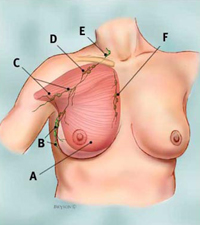
Breast carcinoma is the most common cancer in women in the United States, and since 1940 the age-adjusted incidence has increased; It is currently diagnosed in one in nine Americans during their lifetime. The death rate from breast cancer is second only to lung cancer.
Its cause is likely to be multifactorial. Female sex is a predisposing factor, since only one male shows breast carcinoma for every 100 women diagnosed.
The incidence increases with age. It begins after age 20 and reaches a stable level (plateau) around menopause, then increases net after that change. Genetic factors are important in 15% of cases, and are most noticeable in women whose mother had carcinoma in both breasts before menopause. England and Wales have the highest national breast cancer mortality and Japan the lowest.
The highest risk is related to nulliparity and the first pregnancy in the last years of fertility. Estrogens induce breast cancer in mice, but no theory of induction by hormones or birth control pills has been substantiated in humans.
Among the risk factors that have been proposed are obesity, abundant consumption of animal fats and viral factors transmitted by breast milk.
The natural course of the disease has been cited in studies since the end of the last century, at Middlesex Hospital, London, in which the median survival in 250 untreated women was 2.7 years; Survival was calculated based on the description of the onset of the first symptoms.
The five-year survival was 18% and the decennial 3.76%. Necropsies showed that 95% of women died of breast carcinoma and of them 75% had breast ulcers. Biological features of breast cancer: typical scirrhosal adenocarcinoma begins in the superoexternal quadrant (45%) of the left breast (60%) and it takes 30 duplications from the single-cell stage, for a period of five to eight years to reach a palpable size (1 cm in diameter).
Metastases arise when the tumor is 0.5 cm in diameter and the prognosis is adversely influenced by the number of axillary lymph nodes affected. With the aforementioned enlargement fibrosis shortens the Cooper's ligament and there is the characteristic depression or dimpling of the skin.
Systemic spread is most common to lungs (65%), bone (56%), and liver (56%).
The diagnostic investigation should be done in an orderly manner. In any suspicious lesion, aspiration biopsy should be performed and then by partial (incisional) removal, in the direction of the skin folds (periareolar), or as a convenient resource in case of possible segmental resection or subsequent mastectomy. Staging can be done before definitive treatment and includes a chest x-ray and liver function tests. Skeletal x-rays and bone scans are not required when there are no specific symptoms.
- Adjuvant treatment
Standard postoperative adjuvant therapy in women with nodal involvement, premenopausal or perimenopausal phase, includes administration of cyclophosphamide, metrotrexate, and 5-fluorouracil (FMC) for six months. Variations include the addition of vincristine and predinisone or doxorubicin.
Postmenopausal women with lymph node involvement and estrogen receptor (ER) negativity benefit from chemotherapy. Those with lymph node involvement and receptor positivity may receive the antiestrogen tamoxifen.
Subgroups of stage I patients of any age at risk of recurrence, such as those with lymphatic invasion, high-grade tumors, or those with high-stage fraction or aneuploid DNA, may also be eligible for adjuvant chemotherapy.
Adjuvant radiotherapy is used postoperatively only in people with a high possibility of local recurrence or in patients undergoing breast-conserving surgery.
- Prognosis
Early breast cancer: five-year survival in stage I women is 95% and for stage II women 80%, with a local recurrence of 6% using adjuvant treatment as indicated. "High-risk" individuals have tumors with poor cytologic differentiation, lymphatic and vessel invasion, unsatisfactory cincunscription, a high market rate with thymidine (an increased number of cells in mitosis), and estrogen receptor negativity (50% on average).
The prognosis for stage III disease has increased by 20% to 40% at five years, with the advent of adjuvant therapy. Many of these patients may receive chemotherapy preoperatively. Stage IV disease still shows less than 10% survival at five years.
Inflammatory carcinoma (IIIb), previously considered the deadliest of all breast carcinomas, shows a five-year survival of about 30% through serial treatment of multiple modalities.
Women in whom breast cancer is discovered during pregnancy or lactation tend to be diagnosed at a later stage of the disease, compared to peers of equal age, perhaps because of the difficulty of assessing and reviewing the larger mammary glands. They should be treated as directed by the stage of your disorder.